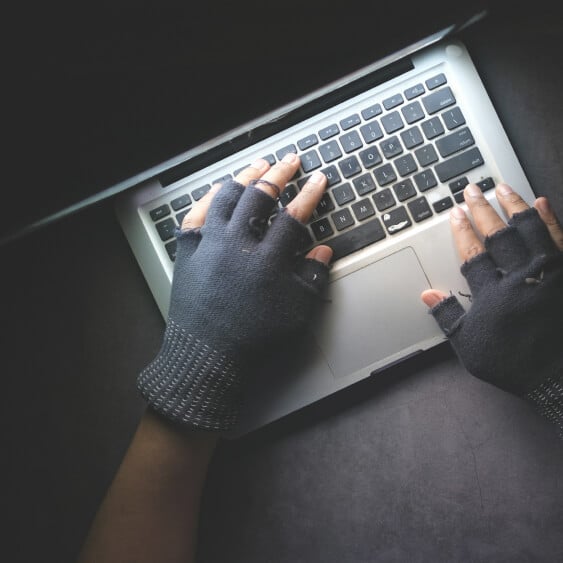

Could your business recover from a cyber-attack?
Imagine if your business was attacked tomorrow. Would you know what to do? Could your business survive?

‘LOVE-LETTER-FOR-YOU’. A title that would grab the attention of any viewer with the promise of affection and companionship and in the spring of 2000, a seemingly innocuous email with the subject line “ILOVEYOU” spread across the globe, leaving a trail of destruction in its wake. This infamous malware, known as the ILOVEYOU worm or the Love Bug, became one of the most damaging computer viruses in history, causing billions of dollars in damages and exposing critical vulnerabilities in cybersecurity practices worldwide.
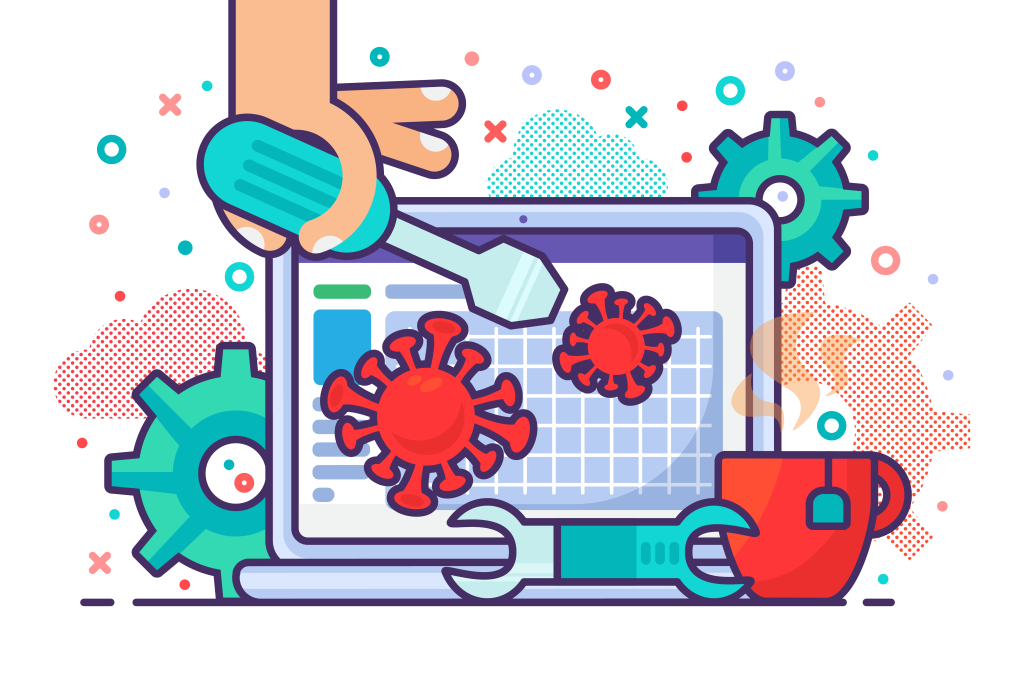
The ILOVEYOU worm was a type of malware that spread primarily through email. It arrived as an attachment named “LOVE-LETTER-FOR-YOU.TXT.vbs”. When opened, the worm would overwrite files on the victim’s computer and send copies of itself to all contacts in the user’s Microsoft Outlook address book.
What made ILOVEYOU particularly effective was its social engineering aspect. By playing on human emotions and curiosity, it tricked users into opening the attachment, thinking it was a love letter from someone they knew.
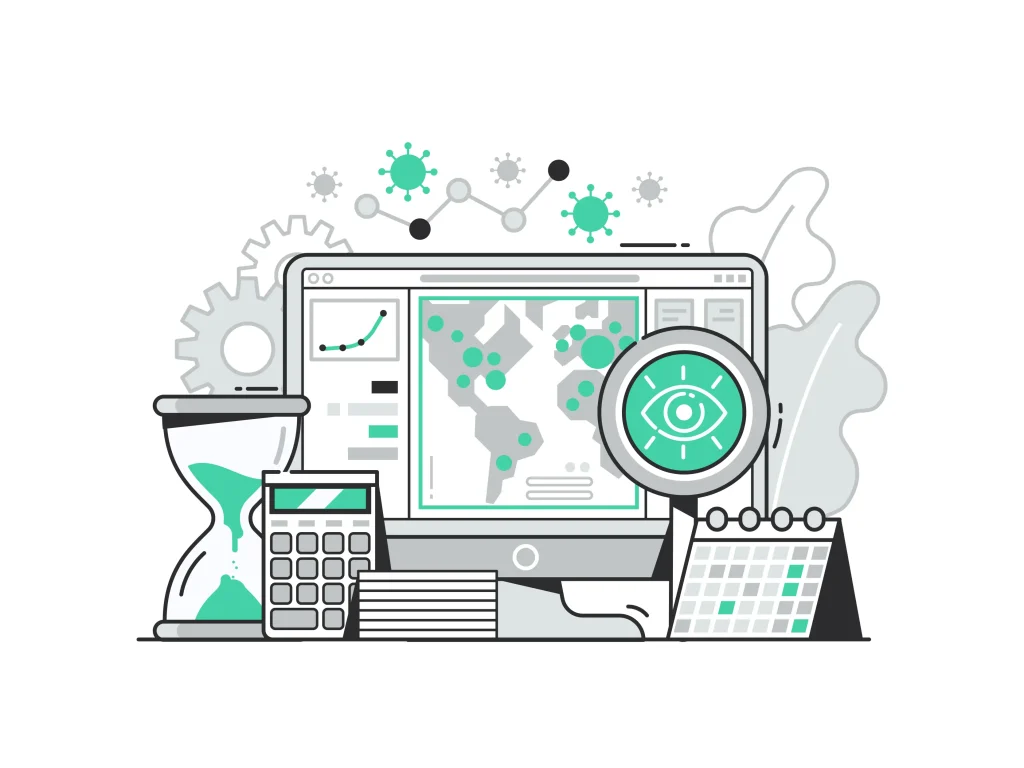
The worm spread rapidly, infecting millions of computers worldwide within hours. Major organizations, including the British Parliament, the Pentagon, and numerous large corporations, were forced to shut down their email systems to prevent further spread.
Estimates of the total damage caused by ILOVEYOU range from $5.5 billion to $8.7 billion, making it one of the costliest malware attacks in history at the time.

The ILOVEYOU worm exposed significant gaps in cybersecurity laws and prompted governments worldwide to reassess their approach to cybercrime. Here are some key impacts:
Email Attachment Policies: Many organizations implemented stricter policies regarding email attachments, and software developers improved email client security features. This incident contributed to the widespread adoption of warning messages about potentially dangerous attachments.
The ILOVEYOU worm served as a wake-up call for individuals, businesses, and governments alike. It demonstrated the potential for rapid, global spread of malware and the devastating impact it could have on critical infrastructure.
This incident underscored the importance of user education, robust cybersecurity measures, and the need for comprehensive, up-to-date legislation to address the evolving landscape of cybercrime.
Today, as we face increasingly sophisticated cyber threats, the lessons learned from the ILOVEYOU worm continue to shape our approach to cybersecurity and the ongoing development of related laws and policies.
But has all of this governmental policy helped to effectively stem the flow of illegal phishing and cybercrime? Figures from the Cyber Security Breaches Survey 2024 produced by the UK Government suggest not. According to the survey produced by Gov.uk in April 2024, half of businesses (50%) report having experienced some form of cyber security breach or attack in the prior 12 months, with by far the most common type of breach or attack being related to phishing (84% of businesses).
This is followed, to a much lesser extent, by others impersonating organisations in emails or online (35% of businesses) and then viruses or other malware (17% of businesses). Among those identifying any breaches or attacks, they estimated the cost to each business, of any size, averaging out at approximately between £1,205 – £10,830. A potentially devastating sum for a small to medium-sized business.
The ILOVEYOU worm (as one of the first and greatest cyber security threats of its kind) may have lit the match and drove governments and corporations into preventive action, but it’s plain to see the dangers of cyber crime and phishing attacks are as prevalent now as they ever have been, and the responsibility falls on individuals and businesses to protect themselves, their suppliers and their customers’ data from these threats.
This is where it helps to have an experienced team of trained cybersecurity professionals in your corner that will proactively engage in keeping your business and data backed up and safe from breaches. To find out more about GSDIT can help you in this endeavour – check out our managed cybersecurity service, or for a one-off review of your businesses’ ability to fend off attacks, we offer adhoc cybersecurity audits – or if you are looking for a general chat about anything cybersecurity, give us a call.

Imagine if your business was attacked tomorrow. Would you know what to do? Could your business survive?

Remote working is not the same as working from home – it’s important to understand the difference and why it could be the solution your business needs.

As IT consultant with three decades of experience, I have seen technology cycles come and go. But 2025 represents a watershed moment where AI maturity, quantum readiness, and cyber resilience converge in comparison to 2023/4. Here is what matters now:

Copyright © 2026. GSDIT. All rights reserved.